How to Choose a Good Dentist in Mexico
By El Doctor Medical Team · Reviewed in June 2026 · 5 min read
Key takeaways
- A general dentist handles diagnosis, prevention, fillings, and simple extractions; complex cases require specialists with their own graduate-level cédula (license).
- Verifying the cédula profesional in the SEP's national registry of licensed professionals is especially important given the high number of dental offices in Mexico.
- Checkups every six months catch problems at early stages, when treatment is less extensive and less costly.
- A visit with a dentist or odontólogo typically falls between $250 and $598 MXN depending on the city and the specialist's experience.
In this guide
Finding a good dentist is a decision that affects not only oral health but overall well-being: the mouth is the gateway to the body, and untreated problems can have consequences in other parts of it. With so many dental offices available in Mexico — from franchise clinics to private practices and university centers — knowing what to look for and how to verify a professional's training makes all the difference.
What does a dentist or odontólogo do?
The dentist, or cirujano dentista (dental surgeon), is the health professional specializing in the teeth, gums, jaw, and structures of the mouth. In Mexico, the Cirujano Dentista degree takes four to five years at accredited universities, and graduates receive a cédula profesional (Mexico's national professional license) issued by the Secretaría de Educación Pública (SEP, Mexico's Ministry of Public Education).
A general dentist's work covers diagnosis, prevention (cleanings, sealants, fluoride), fillings, simple extractions, dental X-rays, and hygiene guidance. For more complex procedures, the general dentist refers the patient to the appropriate specialist.
Within dentistry there are several formal specialties recognized by the SEP, each with its own graduate training and its own specialist cédula:
| Specialty | When it's needed |
|---|---|
| Endodontist | Root canal treatment (the tooth's nerve), deep root infections |
| Orthodontist | Correcting the position of teeth and the bite (braces, aligners) |
| Periodontist | Gum disease (periodontitis), alveolar bone loss, complex implants |
| Oral and maxillofacial surgeon | Complex extractions (impacted wisdom teeth), jaw and maxilla surgery |
| Prosthodontist | Design and placement of dentures, crowns, bridges, and restorative implants |
| Pediatric dentist | Oral care for children and adolescents |
A general dentist can perform many of these procedures in simple cases; referral to a specialist depends on the complexity and the professional's judgment.
When should you go to the dentist?
The usual recommendation for people without active problems is a checkup and cleaning visit every six months. However, some signs call for a visit sooner:
- Toothache that lasts more than one or two days or that wakes you up at night.
- Extreme sensitivity to cold, heat, or sweets.
- Gums that bleed persistently when brushing or eating.
- Swelling, a lump, or pus in the gums.
- A fractured, loose, or missing tooth.
- A change in a tooth's color with no apparent cause.
- Persistent bad breath that doesn't improve with hygiene.
For children, the first dental visit is usually recommended when the first tooth comes in or around the first year of life.
How to choose a good one
Mexico has a very high number of dental offices, and not all of them operate to the same standard. These steps help you filter:
- Verify the cédula profesional. Ask for the Cirujano Dentista cédula number and look it up in the SEP's Registro Nacional de Profesionistas (cédulas.sep.gob.mx), the national registry of licensed professionals. Confirm that the name, institution, and degree match. If the professional claims a specialty (orthodontics, endodontics, etc.), also ask for that separate specialist cédula.
- Look over the office. A clean space, with an instrument sterilizer (autoclave) visible or shown on request, and with its own radiology equipment or access to a nearby imaging facility, reflects proper working conditions.
- Ask about the treatment plan. A good dentist explains the diagnosis, the steps of treatment, the available options, and the cost before starting. Pressure to begin costly procedures at the first visit is a warning sign.
- Find out whether they work with your insurance. If you have private dental insurance or major medical coverage that includes dental, confirm whether the office is in the network.
- Consider continuity. Having a dentist who knows your history makes prevention and early diagnosis easier.
Tip
If you're quoted a price that seems unusually low, ask in detail what materials will be used. The price of restorative materials varies widely and can affect how long the result lasts.
Warning signs
Warning signs
Facial swelling that spreads toward the eye, neck, or floor of the mouth — it may indicate an infection with a risk of serious complications; go to the emergency room. Heavy bleeding in the mouth that does not stop with gentle pressure after an extraction. High fever together with dental pain or jaw swelling. A professional who starts irreversible procedures without explaining the diagnosis or asking for informed consent.
What to expect and costs
The first visit generally includes a visual examination of the oral cavity, a check of the soft tissues, palpation of the lymph nodes, and, frequently, periapical or panoramic X-rays depending on the case. The dentist draws up a prioritized treatment plan.
According to the physicians listed on El Doctor, a visit with a dentist or odontólogo typically falls between $250 and $598 MXN, depending on the city and the professional's experience. Procedures — cleanings, fillings, extractions, orthodontics — are quoted separately and vary considerably.
Those covered by IMSS or ISSSTE (Mexico's public health systems for private-sector and government workers, respectively) can access basic dental services at their assigned family clinic (cleanings, extractions, urgent care). For orthodontics, complex root canal work, or implants, private care is usually the most common route.
Keeping up with regular checkups has a clear preventive effect: catching a small cavity or the onset of gum disease means far less extensive — and less costly — treatment than dealing with the consequences of an advanced problem.
Dentist facts in Mexico
Top-rated Dentists
See all →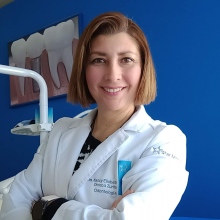
1 Dr. Nancy Eliobeth Orozco Zurita
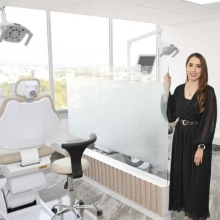
2 Dr. Yazmin Alejandra Nájera Márquez

3 Dr. Lizbeth Díaz Alfaro
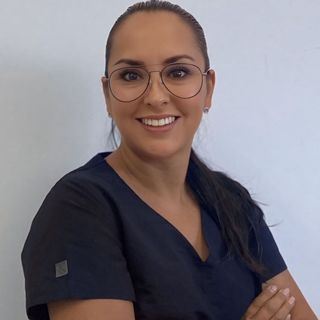
4 Dr. Berenice Beristain Guel

5 Dr. Erika Cecilia Plascencia Flores
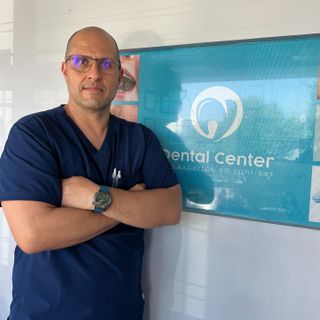
6 Dr. Juan Ricardo López Castillo
Where can you find a specialist?
Real data from registered doctors · consultation price (p25–p75 range).
Frequently asked questions
What's the difference between a dentist and an odontólogo?
In Mexico both terms are used interchangeably to refer to the Cirujano Dentista (dental surgeon). The official degree is Dental Surgery or Odontology; both grant the same SEP-issued cédula profesional (professional license).
At what age should I take my child to the dentist for the first time?
The general recommendation is to go when the first tooth comes in, or before the first year of life. Early detection of harmful habits and guidance on children's oral hygiene are the main goals of that first visit.
How do I know if I need an endodontist or if my general dentist is enough?
Your general dentist evaluates whether the root canal treatment falls within their usual practice or whether the complexity of the case requires an endodontist. Cases with difficult root anatomy, retreatments, or extensive infections are usually referred to the specialist.
Can I verify the dentist's cédula before going?
Yes. At cédulas.sep.gob.mx you can search by name or cédula number. Confirm that the document lists the Cirujano Dentista or Odontology degree and, if they have graduate training, that the specialty is also registered.
Does IMSS cover orthodontic treatment?
Basic dental services at IMSS (Mexico's public health system for private-sector workers) include extractions, fillings, and urgent care. Orthodontics and other specialized procedures are generally not covered and require private care or higher-education institutions with graduate clinics.
Related guides
This information is for guidance only and does not replace professional medical advice. Data based on doctors registered with El Doctor.