Complementary Feeding
Reviewed by the medical team of El Doctor Editorial policy
Before introducing new foods to a baby, many families seek professional guidance: complementary feeding is precisely the stage in which foods other than milk are incorporated to accompany the growth of the infant.
What is it? It is the gradual process by which the baby begins to try solid and varied foods, adding them to breast milk or formula as they develop.
Aspects to look after: attention is paid to the signs that the baby is ready, to the variety and texture of the foods, and to gradual introduction in order to promote healthy habits.
Which specialist provides guidance? The dietitian and the clinical dietitian can support this process with recommendations suited to each baby. Raising your questions with these professionals helps to make informed decisions at this stage.
Data on 247 doctors who treat complementary feeding
Which specialist treats complementary feeding?
Complementary feeding for babies and young children should be guided by a nutritionist, ideally one specialized in clinical nutrition, who can advise on the right timing and way to introduce new foods. If you have questions about allergies or the pace of introducing foods, consult this specialist. You can find nutritionists near you through our directory.
Treatment by city
Doctors specialized in complementary feeding
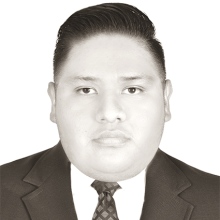
Dr. Rodrigo Armando Vigueras Santiago

Dr. Vicente de Jesus Flores Lopez

Dr. Jacqueline Montero Schwarz

Dr. Maria Fernanda Frausto Mendoza
Dr. Maria Fernanda Frausto Mendoza

Dr. Karla Escobedo Vázquez
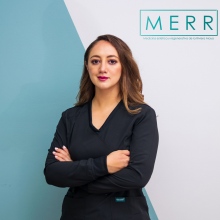
Dr. Norma Ilse Garcia González

Dr. Naomi Bouchain Barajas

Dr. Héctor Garza Blizzard

Dr. Victor Hugo Santos Diego

Dr. Gilberto Morales Salgado

Dr. Ariana Carrasco

Dr. Brenda Eliosa Fernández

Dr. Fania García

Dr. Rebeca Pacheco López

Dr. Oscar Yair Nava Garcia

Dr. Anabel Cosio Linares

Dr. César Arias Ruiz

Dr. Brenda Garcia

Dr. Sandra Briseida Hernández León
Frequently asked questions
What is complementary feeding?
Before introducing new foods to a baby, many families seek professional guidance: complementary feeding is precisely the stage in which foods other than milk are incorporated to accompany the growth of the infant.
Which doctor treats complementary feeding?
Complementary feeding for babies and young children should be guided by a nutritionist, ideally one specialized in clinical nutrition, who can advise on the right timing and way to introduce new foods. If you have questions about allergies or the pace of introducing foods, consult this specialist. You can find nutritionists near you through our directory.