Empty Sella Syndrome
Reviewed by the medical team of El Doctor Editorial policy
Empty sella syndrome is a finding in which the bony space that houses the pituitary gland, at the base of the brain, appears totally or partially filled with fluid, so that the gland looks flattened. In many cases it causes no discomfort.
Possible manifestations: When it does cause symptoms, it may be associated with headache or, in some people, with disturbances in hormone production.
Why is it studied? Because it is worth confirming whether the hormonal function of the pituitary remains normal.
Who evaluates it? The endocrinologist, or the pediatric endocrinologist in children, is the professional who assesses the functioning of this gland. If an imaging study reports this finding, discussing it with that specialist makes it possible to know whether it requires follow-up.
Data on 21 doctors who treat empty sella syndrome
Which specialist treats empty sella syndrome?
Empty Sella Syndrome is usually treated by specialists in endocrinologist, pediatric endocrinologist.
Treatment by city
Doctors specialized in empty sella syndrome

Dr. César Arias Ruiz

Dr. Pavel González Guzmán

Dr. Rosa Nayely Hernández Flandes

Dr. María Fernanda Guillén Placencia

Dr. Tomás Guerrero Alvarado
Dr. Ernesto Sosa Eroza

Dr. Tomas Valle Pimienta
Dr. Joaquín Gerardo Joya Galeana
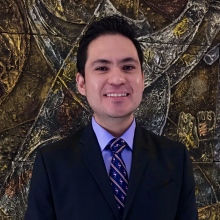
Dr. Efraín Isael Alcalá Dávila

Dr. Tania Sofía Mena Ureta
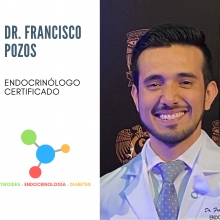
Dr. Francisco Javier Pozos Varela

Dr. Talia Alejandra Ponce Marquez

Dr. Jesús Ricardo González González
Dr. Abundio Bustos Calixto
Dr. Lucila Ramon Castano

Dr. Diana Estefanía Guerrero Dávila

Dr. Andrés León Suárez
Dr. Ramon Madriz Prado

Dr. Oscar T Moreno Loza

Dr. Pedro Mendoza Martinez
Frequently asked questions
What is empty sella syndrome?
Empty sella syndrome is a finding in which the bony space that houses the pituitary gland, at the base of the brain, appears totally or partially filled with fluid, so that the gland looks flattened. In many cases it causes no discomfort.
Which doctor treats empty sella syndrome?
Empty Sella Syndrome is usually treated by specialists in endocrinologist, pediatric endocrinologist.