Organ or Tissue Rejection
Reviewed by the medical team of El Doctor Editorial policy
Rejection of an organ or tissue occurs when, after a transplant, the immune system recognizes the received organ as foreign and tries to attack it. It is one of the situations closely monitored after any transplant.
Warning signs: They may include fever, general malaise, decreased function of the transplanted organ, or discomfort in the area where it is located.
When to seek care? Any unusual change after a transplant, such as fever or a reduction in the organ's functioning, warrants a prompt evaluation.
Who provides follow-up? The transplant team usually includes the general surgeon and, depending on the organ, the nephrologist or other specialists who monitor the progression. If you have received a transplant and notice symptoms different from usual, communicating it immediately to your medical team is the most appropriate thing to do.
Data on 22 doctors who treat organ or tissue rejection
Which specialist treats organ or tissue rejection?
Organ or Tissue Rejection is usually treated by specialists in general practitioner, nephrologist, abdiel sanchez, allergist, cardiovascular and thoracic surgeon, general surgeon, gastroenterologist, ophthalmologist.
Treatment by city
Doctors specialized in organ or tissue rejection
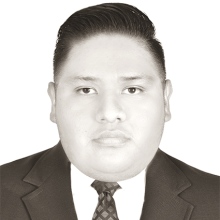
Dr. Rodrigo Armando Vigueras Santiago
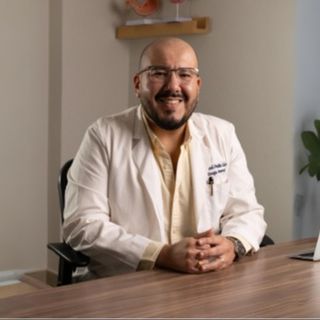
Dr. José G. Padilla López

Dr. Vicente de Jesus Flores Lopez

Dr. Úrsula Garcia Soto

Dr. Jacqueline Montero Schwarz
Dr. Lorely Vianey Bres Ramírez

Dr. Yolanda Yamilé López López

Dr. Maria Fernanda Frausto Mendoza

Dr. Karla Escobedo Vázquez

Dr. Norma Ilse Garcia González

Dr. Kim Danae Díaz Juárez

Dr. Alma Delia Mejía Rendón

Dr. Carlos Andrés Aceves Barrios

Dr. Arturo Ariph Ibarra Sánchez

Dr. Héctor Garza Blizzard

Dr. Beatriz Ortiz Figueroa

Dr. Gilberto Morales Salgado

Dr. Josué Marcial Meza

Dr. Miguel Ángel Martínez Benaiges
Dr. Guillermo Fojaco Villanueva
Frequently asked questions
What is organ or tissue rejection?
Rejection of an organ or tissue occurs when, after a transplant, the immune system recognizes the received organ as foreign and tries to attack it. It is one of the situations closely monitored after any transplant.
Which doctor treats organ or tissue rejection?
Organ or Tissue Rejection is usually treated by specialists in general practitioner, nephrologist, abdiel sanchez, allergist, cardiovascular and thoracic surgeon, general surgeon, gastroenterologist, ophthalmologist.